business agreement

What is the Best Business Structure if I Want to Seek Angel Investors?

Starting a business in South Carolina can be an incredibly challenging process, and in many cases, you need to attract outside investment to secure needed capital. After all, until you have significant revenue being generated, your business will be entirely fueled by your cash reserves. 

One of the most popular ways to secure additional capital is an investment by an angel investor. Angel investors look for companies in their early stages and invest in what they believe is going to be a very successful business. Before you schedule an appointment with an experienced South Carolina business attorney to get the ball rolling, here is what they look for in a business structure.

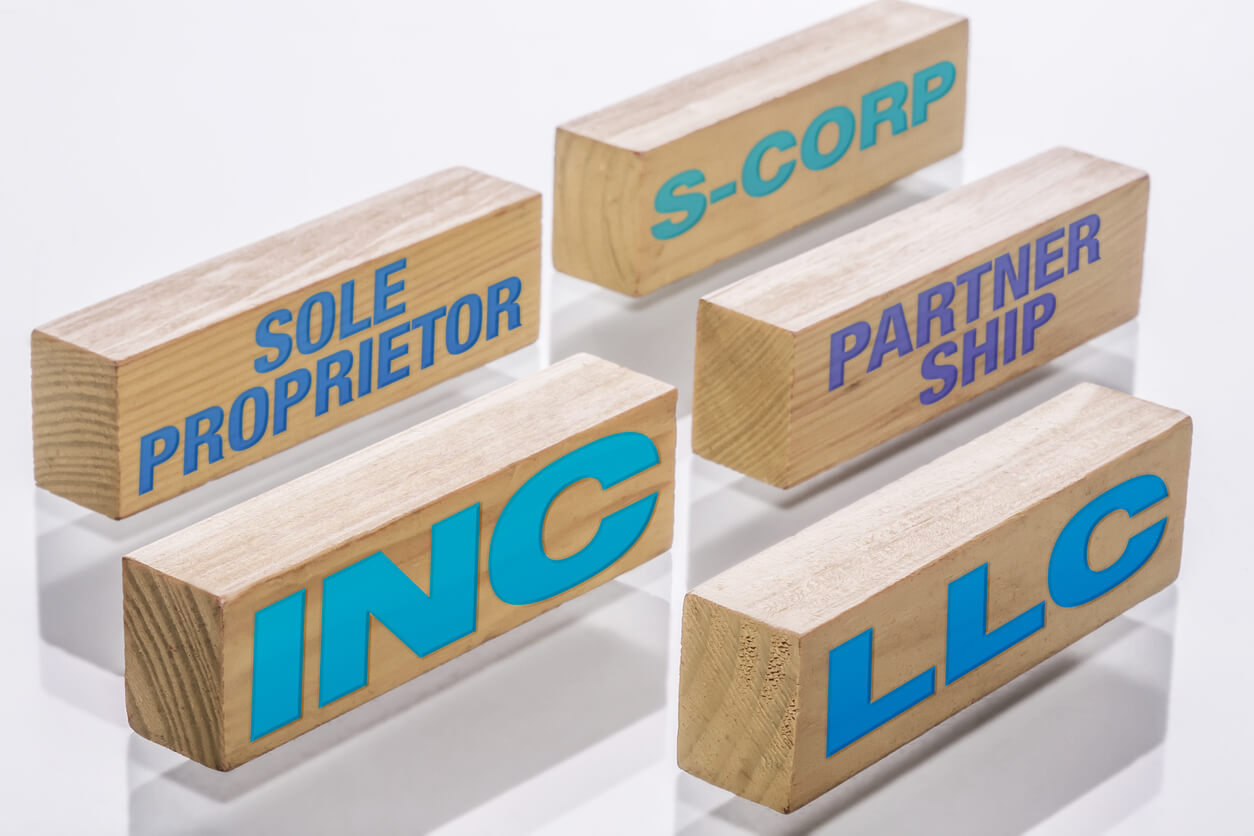
There are many different types of business structures that can be leveraged to begin business enterprises, with some being more attractive to investors than others. The four basic and most common types of structures are sole proprietorships, LLCs, S corporations, and C corporations.

Sole Proprietorships

Sole proprietorships are the simplest and often the cheapest way to structure a business. The downside is that it leaves the owner or the proprietor open to legal liabilities in many situations. Angel investors will not invest in sole proprietorships. 

LLC

LLCs are a structure that provides the business with some tax benefits, as well as the limited scope of liability that a corporation offers. LLCs also create challenges with paying the members wages, and with investor taxation in some circumstances. LLCs are not ideal for angel investing, and they are often not even considered by the investor.

S Corporation

S corporations are able to have several owners, even a corporate owner, and offer some tax benefits over C corporations. The downside is that company ownership is limited, making sustained growth a challenge. 

Since angel investors often want ownership or equity in the business, this structure isn’t ideal, though it is possible. Investors will often want to be assured of a C corporation transition at a later date. The pass-through tax advantages can be a double-edged sword, as well. 

C Corporation

C corporations are incredibly flexible regarding who can hold stock and the rights of the stockholders, as well as being able to offer different types of stock such as common and preferred. This is also the only possible structure allowed for businesses that will operate in the biotech, life sciences, or pharma spaces.

C corporations are subject to double taxation, however, in the sense that the business will pay taxes, and the stockholders will also pay taxes on corporate distributions. For attracting angel investors, creating a C corporation is the only viable route. 

What Else Do Angel Investors Look For?

If you have decided to work with your attorney on incorporating a C corporation, make sure you take into account some of the other factors that will help draw in angel investors. Factors that include:

  • Potential for revenue and ultimately, profit
  • A sound exit strategy
  • Solid management team
  • Personal commitments of the business founders

Experienced Professionals Can Help Your Business Start Off Right

Contact us today if you would like more information or have any questions about incorporation.

Business Lawyer discussing legal documents with client

What is the Corporate Charter?

The corporate charter is the same thing as the articles of incorporation. South Carolina requires the incorporator of a corporation to file specific documents with the Secretary of State to become a valid corporation in our state.

A South Carolina business attorney can draft your incorporation documents, including your corporate charter. Let’s answer the question, “What is the corporate charter?” in more detail.

What Does a Corporate Charter in South Carolina Have to Contains?

Section 33-2-102 of the South Carolina Code says that articles of incorporation (also called a corporate charter) must include all of these things:

  • The name of the corporation. The name must comply with the rules in Section 33-4-101
  • How many shares the corporation is authorized to issue of each class of shares that it can issue
  • The name of the corporation’s initial registered agent at the corporation’s initial registered office, and the address of that office
  • The name, address, and signature of each incorporator
  • A certificate that the incorporators have complied with all the requirements of Section 22-3-102 of the South Carolina Code. A licensed South Carolina lawyer must sign the certificate

It is always a smart idea to work with an attorney when setting up a corporation.

Are There Other Things That the Articles of Incorporation in South Carolina Can Include?

Yes. Section 33-2-102 allows these additional items to be on the corporate charter:

  • The names and addresses of the initial directors of the corporation
  • The purpose for which the corporation is formed
  • The methods by which the corporation plans to manage its business and regulate its affairs
  • The powers and limitations of the corporation, its board of directors, and shareholders
  • The par value of the corporation’s authorized shares or classes of shares
  • The terms and conditions under which shareholders might have personal liability for the debts of the corporation

All of these items must be consistent with the law, or not inconsistent with the law. 

Do I Have to File Any Other Paperwork with the Corporate Charter?

Yes, you must file the initial annual report with the articles of incorporation.  Section 12-20-40 lays out the requirements of the initial annual report. 

What Else Do I Need to Know About Articles of Incorporation in South Carolina? 

You are allowed to include other matters in your corporate charter if your bylaws permit or require those items, and those things are enumerated in Chapters 1 through 20 of South Carolina’s Title 33 – Corporations, Partnerships, and Associations. Also, unless you request a later effective date, your corporation will come into existence on the day that the articles of incorporation get filed with the South Carolina Secretary of State.

Can I Amend My Corporation’s Corporate Charter or Bylaws?

Yes, as long as you comply with the requirements of Chapter 10 – Amendment of Article of Incorporation and Bylaws of Title 33 – Corporations, Partnerships, and Associations. In addition to following the proper procedure for adopting amendments to the articles of incorporation by the incorporators, directors, and shareholders, the corporation must file the articles of amendment with the Secretary of State.

A South Carolina business attorney can provide guidance, draft required documents, and advise you on compliance issues. Get in touch with our office today.

Business law attorney reviewing documents with client

If One Clause in a Contract Is Deemed Unlawful, Is the Whole Contract Invalid?

It will depend on the language of the contract about severability and the clause itself whether the court will void the entire contract, edit the agreement, or merely strike the offending clause if one portion of a contract is unlawful. Sometimes a party will insert an illegal term into a contract to “bluff” the other party into accepting the term.

A party might place an illegal clause into a contract to sabotage the document. A South Carolina business attorney can talk to you and offer guidance in your situation.

What Is Severability?

The term severability refers to a situation in which one part of a contract is improper, and the court strikes that portion of the agreement but keeps the rest of the document. Many contracts contain a severability clause as the standard language. With frequent changes in the law, a perfectly legal contract term could become illegal with little if any notice.

How Important Is the Unlawful Term?

Let’s say that a company had a contract to supply computer chips to a corporation in another country. The agreement was legal when they negotiated and signed the document. Down the road, Congress makes it illegal to sell those chips to businesses in that country. Merely severing clauses from the contract will not be sufficient. The contract now has an illegal purpose and will be void.

Does it Matter Who Wrote the Contract?

One party might insert clauses into a contract, knowing that the terms are unlawful. For example, a large corporation has employment contracts that require the employee to waive the right to worker’s compensation benefits if they get hurt on the job. The employee had no bargaining power, and the employer refused to remove the illegal term.

When the employer finds someone equally qualified who will work for a lower salary, the boss tries to void the contract with the original employee on the grounds of the illegal term. The courts are unlikely to let the employer benefit from its act of writing a contract with unlawful language. Instead, the court might construe the agreement in favor of the non-drafting party; in other words, the party who did not write the contract, the initial employee. 

The Judge’s Options

When faced with unlawful language in a contract, the judge generally has three options:

  • Sever or strike the unlawful clause from the contract and enforce the rest of the agreement 
  • Edit the illegal or unenforceable term to something legal and reasonable, or 
  • Void the entire agreement.

The facts of each situation will determine which option the judge chooses. By way of example, if the judge finds that the terms of a non-compete clause in an employment agreement are unreasonable, the judge could “line through” that language, removing the improper limitations on the employee. Another option is that the judge could rewrite that portion of the contract to something reasonable and enforceable. Also, the judge could decide to void the entire agreement.

A South Carolina business attorney can review your business agreements and draft documents for your company. Call our office today to schedule a consultation

llc operation agreement

Who Are the Key Officers in a Limited Liability Company?

A limited liability company (LLC) in South Carolina can take several different forms, from a single-member LLC as a sole proprietorship, to a professional LLC like a law firm, to a real estate development LLC that could have many members. All LLCs must have a manager and a designated agent for the service of the process.

An LLC can appoint officers, select managers, and hire employees. An LLC can have key officers similar to other forms of business entities, like a Chief Executive Officer (CEO), Chief Financial Officer (CFO), President, Treasurer, and Secretary. A South Carolina business attorney can talk with you about our state’s laws that affect LLCs and help you develop a robust strategy for your business venture.

Why Does South Carolina Require LLCs to Designate a Registered Agent?

When someone wants to file a lawsuit against an LLC, they need to be able to serve the papers on someone. An LLC is a separate legal entity. An LLC does not have a physical presence that can get handed legal documents for personal service. 

When you sue an individual, an authorized person like a sheriff can go to the person’s house and hand them the lawsuit papers. Several business structures must designate a specific person as the agent for service of process in the event that the LLC gets sued. 

If a business operates as a simple sole proprietorship, someone with a legal claim can serve the owner of the sole proprietorship personally with lawsuit documents. If a sole proprietorship operates as an LLC, like a doctor’s solo medical practice, a plaintiff would have to serve the LLC’s registered agent for service of process.

Who Can Be a Manager of an LLC in South Carolina?

A South Carolina LLC can have a manager that runs the business, or a member of the LLC can manage the company. Also, if the LLC is in the hands of a receiver, trustee, or some other court-appointed fiduciary, that party’s powers could include managing the company.

What Are the Advantages of an LLC in South Carolina?

It is usually quicker and less expensive to set up an LLC than a corporation in South Carolina. Start-up businesses find this fact attractive. If the start-up does not launch or shutters after a short time, wrapping up an LLC takes far less work than terminating a corporation.

You only need to draft articles, an operating agreement, and perhaps get an EIN from the Internal Revenue Service (IRS) to form an LLC. Creating a corporation requires articles, bylaws, an EIN, stock certificates, and minutes or meetings.

While LLCs are less formal than corporations, an LLC protects the personal assets of the member or members from liability claims. For example, if an accountant operates as a simple sole proprietorship, someone could sue this professional and go after the individual’s personal assets. If that same accountant did business as an LLC, with a few exceptions, the individual could only lose the assets that belong to the LLC in the event of a judgment against the company.

A South Carolina business attorney can evaluate your situation and draft the documents your company needs. Contact our office today to set up a consultation.

Business attorney speaking with client

What Types of Insurance Will My South Carolina Business Need?

All of your hard work and investment in your South Carolina business could get lost in an instant if you do not have the right insurance coverage. The kinds of insurance you should carry will depend on several different factors, like your industry and the risks your business faces.

South Carolina business attorneys can talk to you and help you create a risk management plan that includes business insurance. Here are some types of insurance that South Carolina businesses can need:

Business Owner’s Policy (BOP) Coverage

A Business Owner’s Policy (BOP) is a single policy that provides business liability and business property insurance all in one. Liability can cover your company if someone gets hurt on your premises, by one of your products, or from another covered cause. The business property coverage protects you in the event of theft, a fire, or other types of property damage or loss. 

The language in your policy will determine the amount of coverage, the types of benefits, and the covered perils. The policy will also control matters like the limitations and exclusions, or non-covered items or situations.

Business Income Insurance

Companies all over America experience a sudden loss of business income as a result of the COVID-19 pandemic. We learned that no business is entirely immune to regional, national, or global crises. Companies whose products were still in demand had to deal with production, supply, and distribution challenges that many had never faced before.

Business income insurance can provide a safety net for your company. As long as the cause of the loss of business income is covered by the policy, this coverage can replace income, up to the limits of the insurance. This type of insurance can make the difference between a temporary pause in business operations and going out of business forever.

Workers’ Compensation Insurance

If you regularly employ at least four full-time or part-time workers, South Carolina law requires you to carry workers’ compensation coverage. The benefits that this insurance can pay include medical care, lost wages, and disability to employees who get hurt or develop an illness because of their line of work.

Some employers are exempt from maintaining workers’ compensation insurance. You do not have to carry this type of coverage if:

  • The total paid to your employees during the previous year was less than $3,000, no matter how many people worked for you during that year.
  • Your business is a railroad or railway express company.
  • Your employees are agricultural workers.

These are but a few examples of companies that are exempt from the requirement of carrying workers’ compensation insurance.

Data Breach Insurance

Every size and type of business is vulnerable to hackers. You can buy coverage that can help with the cost of liability, legal fees, identity theft protection services, and even public relations expenses. Some cyber liability and data breach insurers can help you navigate through the mitigation process when you experience data loss, theft, or a breach

You might need additional types of insurance, like motor vehicle liability coverage, depending on the covered perils of your existing policies. A South Carolina business attorney can help you evaluate your business insurance needs.

business incorporations

Where Should You Incorporate Your Business?

You should incorporate your company in a state where you do business and where the advantages of incorporating in that state outweigh any disadvantages. If you have a start-up venture, you will likely find South Carolina to be friendly toward businesses. A South Carolina business attorney can provide guidance on where you should incorporate your business.

Why Many Corporations Register in South Carolina

You are in business to make a profit. Even non-profits have to make enough money to keep the lights on and pay their other bills. In a state with high income and property taxes on corporations, you will have less of your hard-earned profits to take home.

South Carolina does not levy taxes on corporations for your inventory. Also, our state has no wholesale tax, unitary tax on your profits in other states or countries, or property tax on corporations. There is no local income tax on these business entities. South Carolina has a business-friendly corporate income tax code.

Benefits for S Corporations and LLCs in South Carolina

Corporate status is not the best structure for every business. If you own an S corporation, South Carolina offers these incentives:

  • You can change the ownership of the S corporation without having to stop the operations of the business by buying, selling, or gifting the stock.
  • If one of the stockholders dies, the S corporation can continue operations because these business entities have a “life” that is independent of its stockholders.

On the other hand, limited liability corporations (LLCs) can enjoy these bonuses in our state:

  • You will not have to take or maintain formal papers like minutes or resolutions, so running your business is less onerous. Corporations still have to follow those formalities, but not LLCs.
  • Your local area in South Carolina might offer property tax abatement, textile revitalization credits, or other tax exemptions.
  • Our state’s many programs for the favorable tax treatment of LLCs include such options as tax credits for corporate headquarters, research and development, investments, jobs, and other incentives.

Depending on your company’s industry, you might be eligible for additional incentive programs when you incorporate your business in South Carolina. 

A Low Cost of Doing Business

Sometimes, one of the best ways to boost your bottom line is to decrease your expenses. Many areas within our state have cost of living numbers that are below the national average, so you and your workers will be able to live better than you could elsewhere, and the expenses to run your business will be lower than in many other places.

Real estate costs less in our state than in many other locations, with corresponding lower property lease expenses. Buying or leasing the physical facilities for your corporation is one of the highest ongoing bills most owners face. Reducing this expense can make the difference between success or failure, particularly in the early years when launching a start-up company. 

A South Carolina business attorney can advise you on the laws that apply to your industry, draft your incorporation documents, and serve your company with ongoing guidance as the laws change. Contact our office today

FMLA

4 Things Every Employer Should Know About FMLA

All South Carolina employers who have at least 50 employees for at least 20 weeks this year or last year have to follow the federal Family Leave and Medical Leave Act (FMLA). Due to the COVID-19 pandemic, some employers are eligible for financial assistance from the federal government if they pay wages to employees for extra sick, medical, or family leave.

The COVID-related legislation is temporary, lengthy, and complex. A South Carolina business attorney can explain your obligations under the standard federal FMLA and the laws that expand the FMLA for COVID-related absences from work. Here are four things every employer should know about FMLA:

Pre-COVID FMLA Provisions

These are the general provisions of the federal FMLA as it stood before the COVID-19 pandemic. When the temporary COVID-related legislation expires, these regulations will control.

  • An employee of a qualified employer must work for the company for at least one year at a location that has at least 50 employees within a 75-mile radius and log at least 1,250 hours of work time within the previous year to be eligible for FMLA benefits.
  • FMLA benefits apply to several different situations, such as a worker who just gave birth or adopted a child, is recovering from a significant illness, is a caregiver for a family member with a severe medical condition, or certain military-related issues.
  • Qualifying military-related situations can provide up to 26 weeks of leave in a 12-month period, but there are restrictions.
  • Qualifying non-military-related situations can provide up to 12 weeks of leave in a 12-month period.
  • FMLA standard leave is unpaid. 
  • The worker can maintain the employer-provided health insurance during leave but will have to pay their usual contribution for the coverage. 
  • Usually, the worker has the right to return to the same position or a similar one when returning from leave.

This is merely an overview of the standard FMLA as it existed before the COVID-19 pandemic. There are many restrictions, limitations, and exceptions within the legislation.

No South Carolina Law That Provides Additional Benefits 

The Family and Medical Leave Act (FMLA) provides some leave benefits for employees in specific situations. Some states have their own legislation that expands those benefits beyond federal law, but South Carolina does not have such legislation. 

Which Employers Qualify Under the FFCRA

The Families First Coronavirus Response Act (FFCRA) applies to employers with fewer than 500 employees who paid “qualified sick leave wages” and/or “qualified family leave wages under the Emergency Paid Sick Leave Act (EPSLA) and/or Emergency Family and Medical Leave Act (Expanded FMLA.  These companies can receive funding to help cover the cost of the expanded sick, family, and medical leave for COVID-19 related absences from work. The absence could be due to any of these situations:

  • The employee was unable to work or telework because the employee was sick with or quarantined due to COVID-19.
  • The employee was a caregiver for a family member with COVID-19 or for a child whose school or childcare location was closed, or the regular caregiver was unavailable due to the pandemic.

The American Rescue Plan Act of 2021 (ARP) offers small and midsize employers and some governmental entities refundable tax credits for employers who pay sick leave or family and medical leave for COVID-related illness, caregiving of a family member, or for an employee to receive the COVID-19 vaccine and recover from those vaccinations.

No South Carolina Law That Provides Additional Benefits 

The Family and Medical Leave Act (FMLA) provides some leave benefits for employees in specific situations. Some states have their own legislation that expands those benefits beyond federal law, but South Carolina does not have such legislation. 

How COVID-19 Changed the FMLA Temporarily

The federal government increased the required amount of paid sick leave as well as family and medical leave in the Families First Coronavirus Response Act (FFCRA). That expanded coverage applies to COVID-related leave taken between April 1, 2020, and December 31, 2020. The FFCRA offers tax credits for up to two weeks (up to 80 hours) of qualified sick leave pay and up to ten weeks of qualified family leave pay.

The FFCRA has two parts:

  • The Emergency Paid Sick Leave Act (EPSLA) – that covers up to 80 hours of paid sick time when a worker cannot work due to COVID-19, and
  • The Emergency Family and Medical Leave Act (Expanded FMLA) – that increases the amount of paid leave for family and medical leave.

Some self-employed individuals can receive benefits under the FFCRA.

If you paid sick, family, or medical leave benefits to employees related to COVID-19 between January 1, 2021, and September 30, 2021, you might be eligible for a tax credit under the American Rescue Plan Act of 2021 (ARP). The IRS has online guidance for small and mid-sized businesses that find themselves in this situation. 

Unless the federal government passes additional legislation, the expanded paid leave coverage will expire after September 30, 2021, and employers will return to the previous FMLA terms. A South Carolina business attorney can provide guidance and answer your questions about the FMLA.

Business partners speaking

Is It Okay to Hire Your Client’s Employee?

It can be challenging to find the right candidate for a job. There could be a very small pool of qualified individuals in the area with the requirements and experience to handle the job. Some companies are tempted to hire employees who might be working for their clients or customers.

Before you hire one of your client’s best employees away from the company, you might want to discuss the matter with a South Carolina business attorney. Depending on the type of business you operate, hiring a client’s employee might cause several legal problems for your company. 

Benefits of Hiring a Client’s Employee

There could be some benefits of hiring your client’s employee. For example, the person is already familiar with the industry. They will require less training, which could result in quicker productivity. Because the person was on the other side of the business relationship, they could bring a unique insight into customer needs and desires that could improve your products and services. 

A client’s employee may already know the people on your team, which could ease the transition process. They also are familiar with your product or service. A client’s employee may even know or have relationships with other clients, which could benefit your company. 

Potential Issues When Hiring a Client’s Employees

Of course, there could be potential problems when hiring a client’s employee. In addition to the ethical dilemma of taking a client’s employee, there could be conflicts of interest that need to be explored. If you are not careful, you could find yourself a co-defendant in a lawsuit against the employee. 

The employee may have signed one or more employment contracts that could pose several legal problems. For example, they may have signed a noncompete agreement that could prevent them from taking a job with your company. Other employment contracts and agreements could prevent an individual from performing all tasks required for the job.

There is also the question about how your client or customer might react. The ethical choice would be to discuss the matter with your client before hiring the employee. If the employee approached you inquiring about a potential position with your company, they may be ready to leave your client and will do so when they find another job. If that is the case, your client may not view you hiring the employee as harshly as if you approached the employee about a job with your company. 

Whether you talk to your client beforehand or let the client find out after you hire their employee, the result could be disastrous. You could lose the client’s business. If the client is one of your best and most profitable clients, the potential loss for your company may outweigh any potential benefits of hiring the person.

Contact Our South Carolina Business Attorney for All Your Business Matters

Our South Carolina business attorney handles all types of business law matters, including issues related to employment law. If you have questions, contact our law firm today to speak with one of our attorneys. Prompt legal advice is the best way to head of a more significant legal issue. 

business agreement

Resolving South Carolina Business Disputes Out Of Court

Although it can be tempting to say, “See you in court,” when you have a business dispute, it is often to your advantage to try to reach an agreement with the other side rather than filing a lawsuit. Being involved in a disagreement with a client, customer, vendor, or competitor can feel a bit like trying to pick your way through a minefield. 

A South Carolina litigation dispute attorney can help you navigate the process of dealing with these situations and advise you on settlement strategies. Here are some suggestions on resolving South Carolina business disputes out of court:

Tips on Settling Business Disputes Without Going to Court

When you try to avoid going to court to have a judge decide the matter, there are a few things you should keep in mind.

  • Create a paper trail throughout the negotiation process. Email is an easy way to do this. You do not want to have the other side back out of an agreement or try to force you to accept different terms than you agreed to in the negotiations. Telephone calls are only useful if you back them up in writing, like emailing the other side and asking them to confirm the terms of the agreement that you specify in the email. Doing all of the deal-making in writing is a better approach.
  • Have an attorney draft a formal document that contains all the terms of the agreement. South Carolina law requires specific items to be in a contract for the paper to be enforceable. If an attorney drafts the agreement, you should not have to worry about whether a judge will rule in your favor if the other side breaches the terms of the document.
  • Consider having a lawyer negotiate on your behalf, particularly if you think that the other side is working with a lawyer on the matter. Although no one knows your business as well as you do, you might not know the law as well as an attorney. When the other side is getting legal advice, you should do the same. The other side might try to get away with less-than-honorable tactics if you do not have a lawyer looking out for you.

Depending on your situation, you might need to take additional measures to protect your interests.

Reasons to Try to Settle Business Disputes Out of Court

You can save yourself money and reach a quicker resolution if you can reach an agreement instead of going to court. Here are some additional factors that might persuade you to try to resolve the matter amicably:

  • Preserve the business relationship. If the party on the other side is a long-term client or you want the relationship to continue after the dispute is over, an out-of-court resolution can do less damage to the situation than adversarial litigation.
  • Keep business disputes out of the public eye. When you file papers with the court, they become public record. Most business people would prefer to keep the story out of the media when things do not go smoothly. 
  • The risk of a counterclaim. Sometimes, the person who gets sued has a valid counterclaim that ends up costing the person who filed the lawsuit more money than they sought in the case.

A South Carolina business attorney can advocate for you in business disputes and try to reach an amicable resolution of the differences. When a conflict does not settle, the lawyer can file a lawsuit to go after the justice you deserve. Contact our office today.

business succession

Have You Developed a Succession Plan for Your Business?

Regardless of the type of business you own or your business’s size, you can benefit from a succession plan. Succession planning allows you to ensure that your business continues if you cannot operate the business or you exit the business suddenly. However, business succession planning also gives you the chance to address issues that may have been overlooked that could impact your day-to-day operations now and in the future.

Business succession planning does not need to be a complicated, time-consuming process. It is not just for large corporations. Business succession planning can help smaller companies that might need to develop better organizational structure and effective job design. Our South Carolina business attorney helps companies of all sizes develop a business succession plan that meets their goals and needs.

Goals of Business Succession Planning 

The goal of business succession planning is to identify individuals who can be trained to take over key positions when the leaders in those positions leave the company. It ensures continuity and the availability of employees who have the knowledge and necessary skills to run the company. 

Business succession planning is the act of investing in employees or individuals so that they are ready to take over crucial responsibilities required for the successful operation of the business. However, before you can identify critical positions within the company that are essential to the company’s continuity of operations, there are a few things that you need to evaluate. 

For example, what needs to occur to keep the business operating on a day-to-day basis? Identify the essential and non-essential processes and operations. After identifying the essential processes and operations, analyze how the loss of employees in various positions would impact operations. How easy would it be to replace employees in each of those positions? 

Could another employee step into that role seamlessly to ensure continuity of operations? If not, there must be a plan for training replacements for those roles to ensure there is always someone ready to step into that role to ensure a sudden loss or unexpected situation does not impact the business operations. 

For small business owners, the owner’s role is generally one of the company’s most vital roles. The owner needs to identify someone to train to step into the role if the owner suddenly dies or becomes incapacitated. Planning also ensures that the owner has someone in place when the owner decides to retire or exit the company. The person or persons trained to take over the company may be family members or employees who are invested in the company. 

Benefits of Business Succession Planning

In addition to ensuring that there is a pool of individuals who are prepared to assume key roles of leadership and management within the company, business succession planning also provides other benefits for the company. 

You can preserve your brand identity because you do not need to hire new people who might not be familiar with your company’s brand, mission, and vision. You also reduce the expenses of searching for a successor. The process of hiring new employees can be time-consuming and costly. Business succession planning identifies employees within the company who can learn new skill sets to grow into leadership roles.

Business succession planning also eliminates the need to choose replacements for leaders and managers without much thought. You have time to evaluate potential successors and train them instead of being forced to pick someone on a whim because of a crisis.

Contact a South Carolina Business Attorney for More Information 

If you do not have a business succession plan, we can help. Companies of all sizes benefit from a business succession plan. However, small business owners need a plan to ensure that the company they worked hard to build does not crumble and fail when they exit the business. Our South Carolina business attorney can help you develop a succession plan for your business that meets your goals and needs. Contact our office today.