
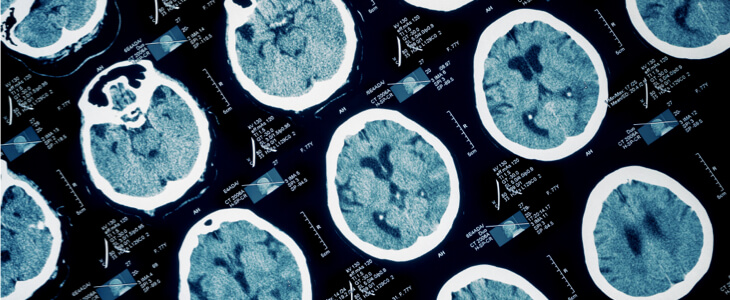
Aggressive Advocacy for Brain Injury Victims in Florence and Myrtle Beach
A traumatic brain injury can change the course of your life in an instant, affecting your ability to work, communicate, and live independently. If you or a loved one suffered a brain or head injury due to someone else’s negligence, a South Carolina personal injury attorney at Willcox, Buyck & Williams, PA can fight for the compensation you deserve. With offices in Florence and Myrtle Beach and over 125 years of legal experience, our firm provides aggressive, trial-ready representation across the Pee Dee and Grand Strand regions. Contact us for a free consultation.
Why Choose Willcox, Buyck & Williams for Your Brain Injury Case?
Brain injury cases are among the most complex personal injury claims, requiring attorneys who understand the medical evidence and the long-term impact on victims. Reasons to trust our firm include:
- In practice since 1895 with over 125 years of history serving South Carolina
- Three Diplomats of the American Board of Trial Advocates (ABOTA), a Fellow of the American Federation of Trial Lawyers, and a member of the American College of Trial Lawyers
- A former U.S. Attorney and a former Assistant U.S. Attorney on our team
- Successful track record of recovering settlements and jury verdicts for clients
- Attorneys regularly listed among “Best Lawyers in America”
- Offices in both Florence and Myrtle Beach, serving the Pee Dee and Grand Strand regions
- Resources and skills to conduct comprehensive investigations to gather evidence building a strong claim, including working with leading experts as necessary
- A select group of attorneys providing involved, one-on-one service to thousands of clients
Head and brain injuries can cause catastrophic changes for victims and their families. Our legal team puts your best interests first. We aggressively advocate for your rights and pursue full compensation for your damages while your focus on healing and recovery.
What Is a Traumatic Brain Injury?
A traumatic brain injury (TBI) occurs when a sudden impact, blow, or jolt to the head disrupts normal brain function. TBIs range in severity from mild concussions to severe injuries that cause permanent disability or death. The Centers for Disease Control and Prevention classifies TBIs into three categories:
- Mild TBI (concussion): A brief change in mental status or consciousness. Even “mild” concussions can cause lasting cognitive problems, headaches, and emotional changes.
- Moderate TBI: Loss of consciousness lasting minutes to hours, confusion lasting days to weeks, and complications that may be long-term or permanent.
- Severe TBI: Extended unconsciousness or amnesia, often resulting in permanent disability affecting cognitive, physical, and emotional function.
Brain injuries are classified as either open (penetrating), where an object breaks through the skull, or closed, where the brain is damaged by internal impact without skull fracture. Closed head injuries are more common and often harder to diagnose because they may not appear on initial imaging.
What Causes Brain Injuries in South Carolina?
The most common causes of traumatic brain injuries in South Carolina include:
- Car, truck, and motorcycle accidents
- Slip and fall accidents on unsafe property
- Workplace accidents, particularly in construction and industrial settings
- Sports and recreational injuries
- Acts of violence, including assaults
Motor vehicle collisions are among the leading causes of TBI-related hospitalizations. Even a low-speed crash can produce enough force to cause a concussion or more serious brain injury.
What Are the Symptoms of a Brain Injury?
Brain injury symptoms vary widely depending on the severity and location of the injury. They often fall into three categories:
Physical symptoms: Headaches, dizziness, nausea, fatigue, blurred vision, sensitivity to light or noise, and difficulty with balance or coordination.
Cognitive symptoms: Memory loss, difficulty concentrating, confusion, slowed thinking, and trouble finding words or following conversations.
Emotional and behavioral symptoms: Mood swings, irritability, anxiety, depression, personality changes, and difficulty with impulse control.
One of the most important things to understand about brain injuries is that symptoms may not appear for days or even weeks after the initial trauma. This delayed onset is common with concussions and closed head injuries. If you were in an accident involving any head impact, seek medical evaluation immediately, even if you feel fine.
What Compensation Can I Recover for a Brain Injury in South Carolina?
A brain injury claim in South Carolina may include compensation for:
- Current and future medical expenses, including surgery, rehabilitation, and therapy
- Lost wages and diminished earning capacity
- Pain and suffering
- In-home care and assistive devices
- Loss of enjoyment of life
South Carolina follows a modified comparative negligence rule. You can recover damages as long as you are less than 51% at fault for the accident. Your compensation is reduced by your percentage of responsibility. If you are 51% or more at fault, you are barred from recovery.
How Long Do I Have to File a Brain Injury Claim in South Carolina?
South Carolina generally allows three years from the date of injury or from the date you knew (or through reasonable diligence should have known) that you had a cause of action to file a personal injury lawsuit. TBI symptoms can be delayed. Under the discovery rule, the statute of limitations may begin when the injury is discovered or should reasonably have been discovered, which may be later than the date of the accident.
Additional deadlines to be aware of:
- Government defendants: Claims against a state or local government entity must be filed within two years under the South Carolina Tort Claims Act.
- Minors: The statute of limitations is generally tolled until the injured person turns 18, although South Carolina law limits how long the deadline can be extended beyond that date. Contact a lawyer promptly to ensure the claim is properly preserved.
- Workers’ compensation: Workplace brain injuries must be reported to the employer within 90 days, and a workers’ compensation claim must be filed within two years.
Missing these deadlines can permanently bar your right to compensation. Contact an attorney as soon as possible after any head injury to ensure your claim is preserved.
What Should I Do After a Brain or Head Injury?
If you or a loved one has suffered a brain or head injury, take these steps to protect your health and your legal rights:
- Seek immediate medical attention. Get evaluated even if symptoms seem minor. Early documentation creates a critical medical record.
- Follow all treatment recommendations. Gaps in treatment can be used against you by insurance companies.
- Document everything. Keep records of medical visits, prescriptions, missed work, and how the injury affects your daily life.
- Avoid giving recorded statements to insurers. Insurance adjusters may try to minimize your claim before the full extent of your injury is known.
- Contact a brain injury attorney. An experienced attorney can protect your rights, handle negotiations, and pursue full compensation while you focus on recovery.
Talk to a South Carolina Brain Injury Attorney Today
A brain injury can affect your life for years or permanently. At Willcox, Buyck & Williams, PA, we have the experience, resources, and trial-ready approach to fight for the compensation you need. Contact our firm today for a free consultation. We serve clients from our offices in Florence and Myrtle Beach.
Frequently Asked Questions
How do I know if I have a brain injury after an accident?
You do not have to lose consciousness to suffer a brain injury. Symptoms such as headaches, confusion, memory problems, dizziness, and mood changes can all indicate a TBI. Because symptoms are often delayed by days or weeks, it is important to get a medical evaluation after any accident involving a blow or jolt to the head.
Can I file a brain injury claim if the accident was partly my fault?
Yes. Under South Carolina’s modified comparative negligence rule, you can recover compensation as long as you are less than 51% at fault. Your total damages will be reduced by your percentage of responsibility. For example, if you are found 20% at fault and your damages total $500,000, you would receive $400,000.
What if my brain injury symptoms appeared weeks after the accident?
Delayed symptoms are common with traumatic brain injuries. South Carolina’s discovery rule may apply, meaning the statute of limitations could begin when the injury was discovered or should reasonably have been discovered, rather than the date of the accident. Contact an attorney promptly to ensure your rights are protected.