
​How Do Insurance Companies Handle Pedestrian Accident Cases?

Pedestrian accidents often leave victims with severe injuries and long recovery times. In South Carolina, insurance companies play a central role in determining whether and how much compensation is paid. While insurers are responsible for handling claims, their primary goal is to protect their bottom line, not yours. Knowing how they approach these cases and what steps you can take to protect yourself can make all the difference.

How Insurance Companies Evaluate a Pedestrian Accident Claim

When a pedestrian accident claim is reported, the insurance company starts gathering information right away. Their process often includes:

  • Reviewing the accident report: They look for official details from law enforcement, including fault determinations and any citations issued.
  • Collecting statements: Adjusters may contact you, the driver, and any witnesses to get statements, and they may use these to limit or challenge your claim.
  • Examining medical records: They will request your medical documentation to confirm your injuries and look for any pre-existing conditions they can point to as an alternate cause.
  • Inspecting available evidence: Photos, videos, and even social media posts can be reviewed for any detail that they believe reduces their responsibility.

From the start, adjusters are looking for ways to lower the amount they pay. That’s why it’s important to be careful about what you say and provide.

Factors That Affect a Settlement Offer

Several factors influence how much an insurer offers in a pedestrian accident case:

  • Fault determination: South Carolina follows a modified comparative negligence rule. If you are found more than 50% at fault, you cannot recover damages. If you are less than 50% at fault, your compensation will be reduced by your percentage of fault.
  • Severity of injuries: More serious injuries typically result in higher claims, but insurers may question whether all treatment was necessary or related to the accident.
  • Insurance coverage limits: The at-fault driver’s policy limits set a ceiling for what their insurer will pay, though other sources of coverage may be available.
  • Economic and non-economic damages: Lost wages, medical bills, and pain and suffering are all considered; however, insurers may undervalue the emotional and physical toll.

Tactics Insurance Companies May Use to Reduce Your Claim

Insurance companies are skilled at finding ways to minimize payouts. Common strategies include:

  • Quick settlement offers: They may offer money right away before you know the full extent of your injuries, hoping you’ll accept less than you deserve.
  • Delaying the process: Adjusters may slow down communications to pressure you into settling out of frustration.
  • Disputing fault: They may try to shift blame onto you, even in clear-cut situations, to reduce or deny payment.
  • Questioning medical care: They might argue that treatment was unnecessary or unrelated to the accident.

Being aware of these tactics is the first step toward avoiding them.

Steps You Can Take to Protect Your Rights

If you’ve been involved in a pedestrian accident, you can take practical steps to protect yourself when dealing with an insurance company:

  1. Seek medical attention immediately and follow through with recommended care, even if you feel okay at first. Some injuries take time to show symptoms.
  2. Document everything, including photos of the scene, your injuries, and any property damage.
  3. Limit your statements to the insurer. Stick to basic facts and avoid speculation about fault or your injuries.
  4. Keep all records, including medical bills, correspondence, and receipts for accident-related expenses.
  5. Consider speaking with an attorney before signing anything or accepting a settlement.

Why Legal Guidance Matters

Handling an insurance claim alone can be overwhelming, especially when you are recovering from serious injuries. Insurers have teams of adjusters and attorneys protecting their interests. Having someone on your side who understands how these companies operate can help you level the playing field and pursue the full compensation you deserve.

FAQ: Pedestrian Accident Claims in South Carolina

How long do I have to file a pedestrian accident claim in South Carolina?

In most cases, you have three years from the date of the accident to file a personal injury lawsuit. 

What if the driver who hit me is uninsured?

You may be able to file a claim under your own uninsured motorist (UM) coverage. This is included in most South Carolina auto insurance policies.

Can I still recover compensation if I was partly at fault?

Yes, as long as you are less than 51% at fault under South Carolina’s modified comparative negligence rule. Your award will be reduced by your percentage of fault.

Should I talk to the insurance adjuster before hiring an attorney?

It’s best to speak with an attorney first. Insurance adjusters are trained to protect their company’s interests and may use your statements to reduce your payout.

Protecting Your Future After a Pedestrian Accident

If you or someone you love has been injured in a pedestrian accident in South Carolina, Willcox, Buyck & Williams, P.A. is here to help. Our team will stand up to the insurance companies and fight for the compensation you deserve. Contact us today to schedule a consultation and learn more about your legal options.

Pedestrian walking across the street

Most Common Causes of Pedestrian Accidents

A simple stroll or jog can turn tragic in the blink of an eye. According to the National Highway Traffic Safety Administration (NHTSA), thousands of pedestrians are hurt or killed each year in crashes. Injuries, including head trauma or broken bones, can lead to life-changing setbacks. The good news is that many of these incidents can be avoided by taking appropriate precautions.

Common Causes of Pedestrian Accidents

Most pedestrian accidents happen when drivers fail to pay attention or follow traffic laws. Recognizing these risks can help prevent future tragedies.

Distracted Driving

Drivers distracted by their phones, food, or the radio can easily miss a crossing pedestrian. Just a few seconds of inattention can lead to serious harm

Speeding and Reckless Driving

Speeding gives drivers less time to react if someone steps onto the road. It also increases the impact, making injuries more severe. Reckless actions like running red lights put pedestrians at even greater risk.

Failure to Yield at Crosswalks

Crosswalks help pedestrians cross safely, but many drivers ignore them. Turning without looking, especially at busy intersections, could take a life.

Driving Under the Influence

Alcohol and drugs impair judgment, slow reactions, and increase the risk of serious pedestrian accidents. In one recent year, over 40 percent of all fatal pedestrian crashes involved alcohol use by either the driver or pedestrian.

Poor Visibility and Low Lighting

Low light and bad weather make pedestrians harder to see, especially in dark clothing. Poor street lighting further makes the odds of an accident significantly higher.

Jaywalking and Unmarked Crosswalks

Crossing the street outside designated areas puts pedestrians in danger. Some roads simply don’t offer clear crosswalks, forcing people to guess the safest point to cross. 

Left-Hand Turns and Blind Spots

While turning left, drivers often watch for oncoming cars and forget to check for people in the crosswalk. Large trucks and SUVs add another layer of risk thanks to bigger blind spots that can hide pedestrians from view.

Parking Lot and Driveway Accidents

Parking lots seem slow-paced, but distracted or hurried drivers can still strike someone walking through. Driveways pose a similar threat, especially when drivers back out without checking both ways. 

Preventive Measures for Pedestrians and Drivers 

Both drivers and pedestrians can take simple steps to reduce the risk of accidents and keep roads safer.

Drivers should:

  • Keep your eyes on the road and avoid distractions
  • Pay attention to speed limits and watch carefully for people on foot
  • Yield at crosswalks and always check blind spots, especially when turning
  • Never drive under the influence of alcohol or drugs

Pedestrians should:

  • Use crosswalks and follow traffic signals whenever possible
  • Wear bright or reflective clothing at night or in bad weather
  • Stay alert and avoid looking at your phone while crossing

Making a conscious effort to practice these steps protects both drivers and pedestrians.

Why Legal Help Matters After a Pedestrian Accident 

Pedestrian accidents are rarely just bumps and bruises. The sheer size of the vehicle can cause injuries that make living everyday life difficult. Medical bills can quickly pile up, and insurance companies will always try to downplay your claim. They’ll often pressure you into accepting an amount far less than you deserve.

At Willcox, Buyck & Williams, P.A., our pedestrian accident attorneys have over 125 years of experience fighting this fight. We gather the right evidence, prove fault, and push back against greedy insurance companies. It’s not just your fight – it’s ours.

Get the Help You Deserve After a Pedestrian Accident

Safe roads depend on both drivers and pedestrians staying alert and following the rules. When someone’s negligence causes harm, the consequences can be unimaginable. If you or a loved one has been injured in a pedestrian accident, Willcox, Buyck & Williams, P.A., is here for you. Contact us to discuss your case and hold the responsible party accountable.

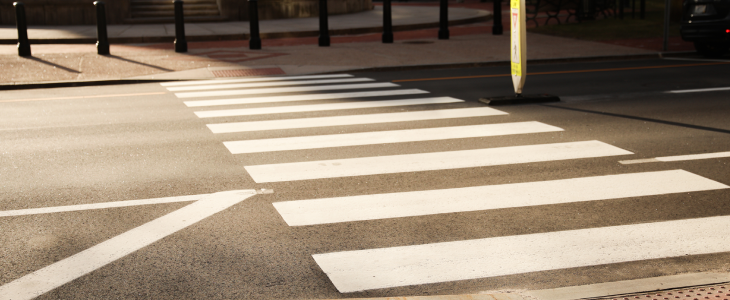
Crosswalk in the city

What to Expect After a Pedestrian Accident

Pedestrian accidents are increasing nationwide. The number of pedestrian traffic deaths in 2022 was the highest since 1981. The consequences of a pedestrian accident include financial, physical, and emotional damages. Learn what to expect after a pedestrian accident from our South Carolina personal injury lawyers in this blog.

The Immediate Aftermath: Responding to a Pedestrian Accident

Being struck by a car is a traumatic event. Depending on the severity of your injuries, you may need emergency medical services after a pedestrian accident. Even if you can get up and move around, it is crucial to seek prompt medical treatment. Pedestrian accidents can cause severe internal injuries that can be life-threatening if left untreated.

If your injuries permit, ask for the names and contact numbers of eyewitnesses at the accident scene. Otherwise, focus on obtaining medical attention immediately after a pedestrian accident.

Understanding the Lifecycle of Physical Recovery Post-Accident

You may want to heal within a few days or weeks from injuries sustained in a pedestrian accident. However, pedestrian accidents cause catastrophic injuries. Even low-speed accidents can cause traumatic injuries. It takes time to recover from your injuries. Rushing your recovery could jeopardize your health.

The type of injury you sustain and the severity of the injury determine the timeline for physical recovery after a pedestrian accident. Talk to your physicians and medical providers for a realistic timeline for recovery. Do not rush recovery, or you could make your injuries worse and increase the risk of a permanent impairment.

Psychological Impact: Dealing With Emotional Trauma After a Pedestrian Accident

Your emotional healing may take much longer than the physical recovery. Many pedestrian accident victims have PTSD (post-traumatic stress disorder) and other psychological injuries. You may experience depression, night terrors, severe anxiety, and other symptoms. Emotional healing may require counseling and therapy.

Financial Ramifications: Handling Medical Bills and Loss of Income

Your injuries from a pedestrian accident may result in significant financial losses. Your medical bills could total thousands of dollars. You may be out of work for weeks or months as you recover from your injuries. The result could be a financial crisis.

Talk with your lawyer about ways to handle medical bills. You may use your health insurance or MedPay if you have coverage. Medical providers may agree to accept a medical lien to postpone payment until you receive funds for a personal injury claim.

You may receive compensation for your economic and non-economic damages, but it could be months or years before a personal injury case is resolved. Waiting for a personal injury settlement may be difficult. However, rushing to settlement could mean accepting a much lower amount than your claim is worth.

Navigating the Legal Landscape: Rights and Responsibilities of a Pedestrian in an Accident

Injured pedestrians can pursue a personal injury claim against the at-fault driver for a pedestrian accident. However, they must prove that the driver caused the accident and sustained damages because of the accident. If the pedestrian was partly to blame for the cause of the accident, they could lose their right to receive damages if they are more than 51% to blame. If their level of fault is below 51 percent, they can recover damages, but the amount is reduced by their level of fault.

How to Build a Strong Personal Injury Claim

You must establish liability by proving causation and fault for the pedestrian accident. Evidence used to prove your case includes, but is not limited to:

  • Statements from individuals involved in the accident
  • Video of the accident as it occurred from traffic cameras, dash cams, and other video surveillance
  • Statements from eyewitnesses
  • Photographs of the accident scene
  • Data recovered from a vehicle’s onboard recording systems
  • Opinions from accident reconstructionists and other experts
  • Medical records
  • Physical evidence from the accident scene

A South Carolina pedestrian accident lawyer conducts an independent investigation to gather evidence. The stronger the evidence in your case, the better your chance of recovering a fair settlement for your claim.

Get the Support You Need: Seeking Help From South Carolina Personal Injury Attorneys

Were you injured in a pedestrian accident? Contact our South Carolina personal injury attorneys to schedule a consultation. Learn about your legal options and how we can help you seek the compensation you need and deserve.